Dry Spell: Farmers Hope Drought Breaks as Growing Season Dawns
By Marlee Jackson
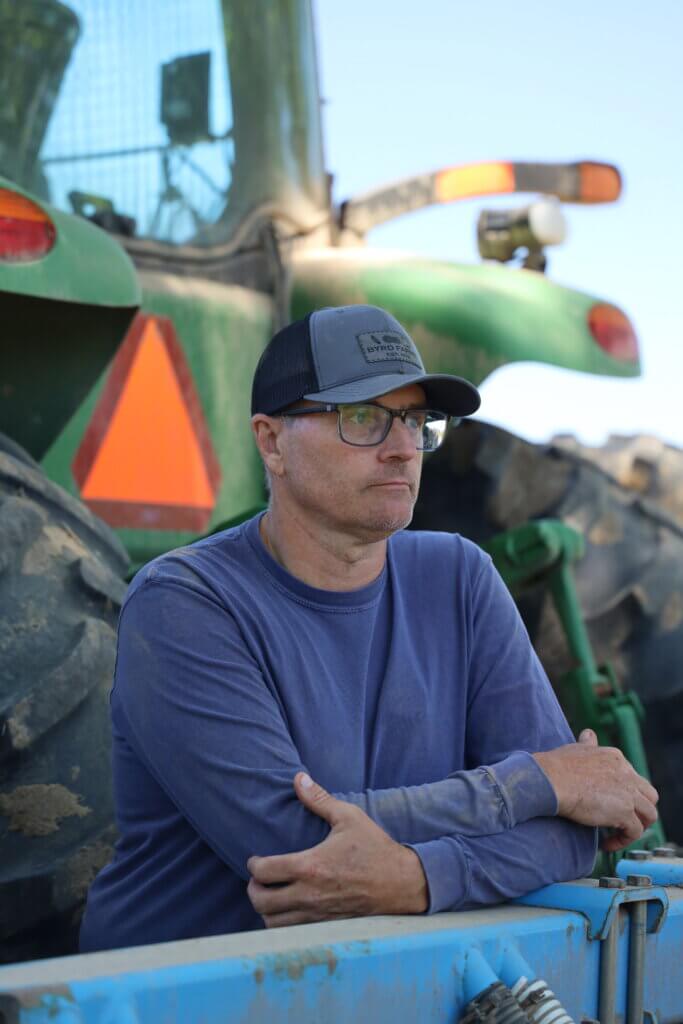
Brian Byrd was reviewing weather data late last year when he noticed a concerning trend.
“I told Dad in December that we were about 14 or 15 inches behind on rainfall,” said Byrd, who farms corn, peanuts and cattle in Coffee and Dale counties with his father, Jerry. “Usually, we catch up in November, December, January. Earlier this year, we weren’t getting 3- or 4-inch rains. They were a half inch and weeks apart.”
The dry spell is a double-edged sword.
It’s delivered optimal weather for field work, but the impending summer growing season means steady, soaking, routine rain will be essential to nurture crops and boost yields.
“When I started laying rows off for corn in February, we got a pretty decent rain,” Byrd said. “Then we went five or six weeks without a shower. To me, it was perfect corn planting. I want dust rolling when I’m planting, and I want that corn to get boot high. Corn doesn’t react well with wet feet when it’s young. So far, it’s looking good, but we’re a long way from home.”
The dry pattern has reduced reservoirs, causing concern even for farmers blessed with irrigation.
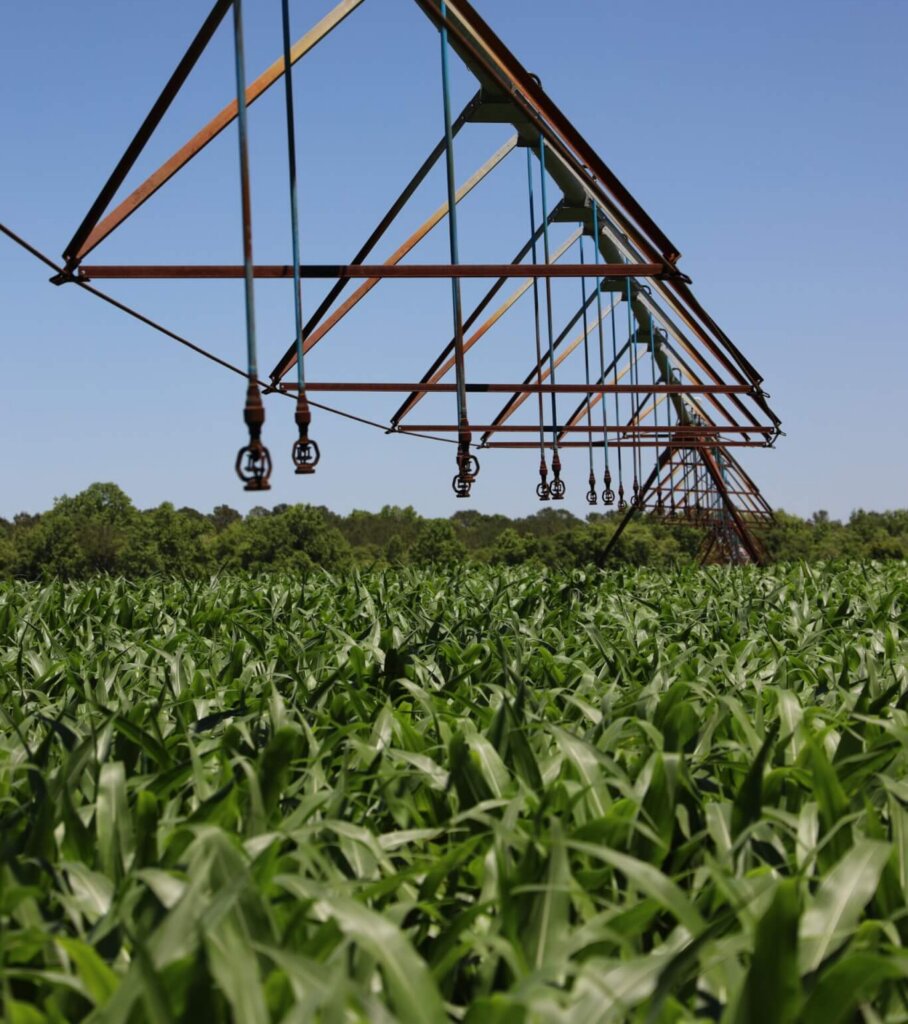
The Byrds have invested in irrigation on around 70% of their fields. Those pivots, though, rely on surface water. Byrd watched pond levels fall this winter and made the call to leave 160 acres out of production when he planted corn in March.
“I’d hate to plant all this and run out of water and come up short, especially as tight as margins are this year,” he said, adding they’ll do field repair while the ground is fallow.
May delivered much-needed moisture through a series of scattered storms. Thanks to that rain and irrigation, some of Byrd’s fields were flush with chest-high corn as he planted the remainder of his peanut crop.
Continued rain, however, isn’t guaranteed.
“That’s the scary part,” he said. “We’ve been in this drought the whole winter. Now we’re coming into spring. When I’m out working and I’m not sweating a bunch, you know the humidity is low, and you won’t get a whole lot of pop-up showers.”
It’s weather whiplash compared to conditions last year. State Climatologist Lee Ellenburg said 2025 delivered the wettest May on record.
The pattern turned dry around July. Ellenburg said his concern escalated in the fall, which delivered minimal rain. A parched winter compounded the issue.
“This summer, when we go through seasons of no rain, there’s no storage,” Ellenburg said. “We’re in a deficit that’s hard to overcome. We’re almost beyond needing to recoup that loss. At this point, we are going to be teetering on worsening conditions unless it rains every week.”
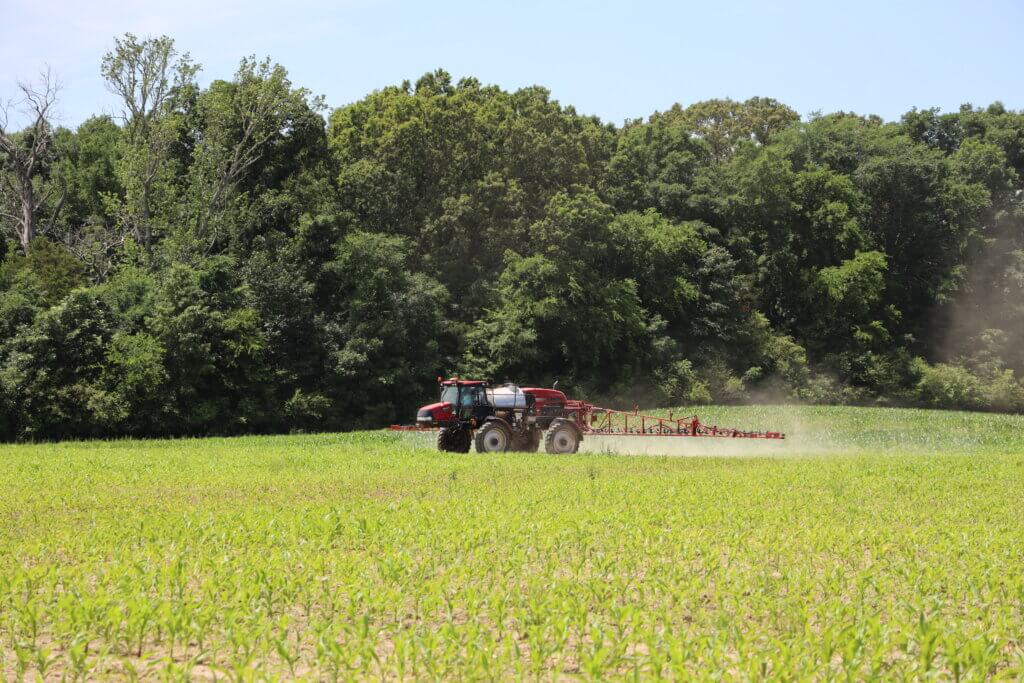
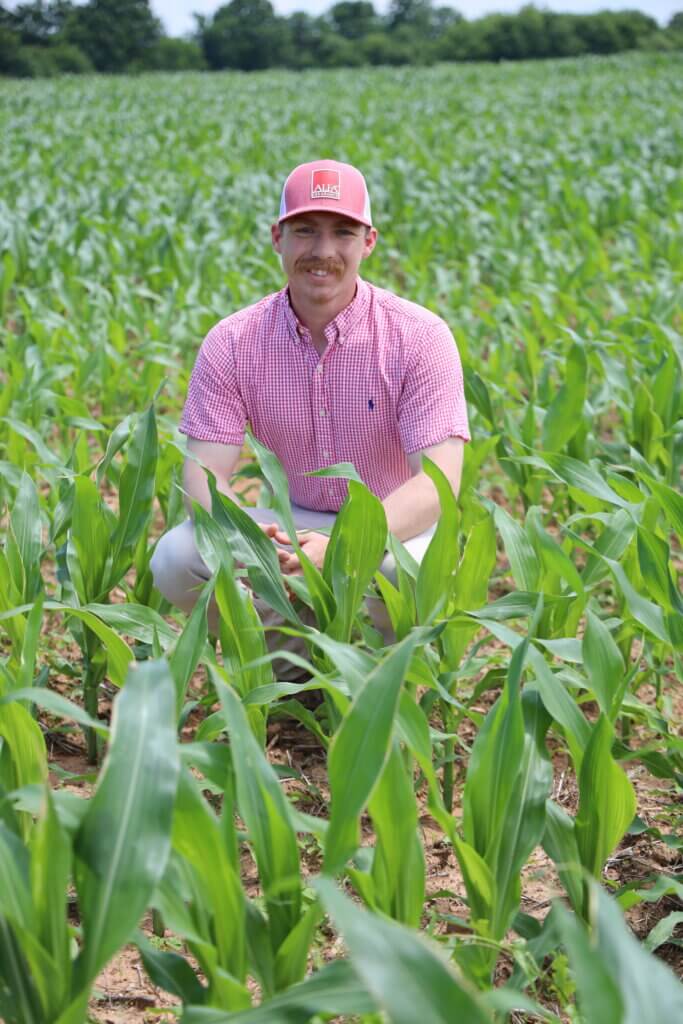
As Byrd welcomed May moisture in the Wiregrass, north Alabama farmer Forrest Anders prayed for rain, too.
Anders farms with his father, brother and uncle in Lawrence and Morgan counties. He said dry prime planting conditions, coupled with memories of last spring’s consistently soggy fields, sent tractors rolling unusually early.
“Guys like us struggled to get in the field last year to plant,” said Anders, who chairs the Alabama Farmers Federation State Young Farmers Committee. “The first opportunity we had this year, we hit the ground running. Going forward from here, it’s going to change some a little bit about what we do.”
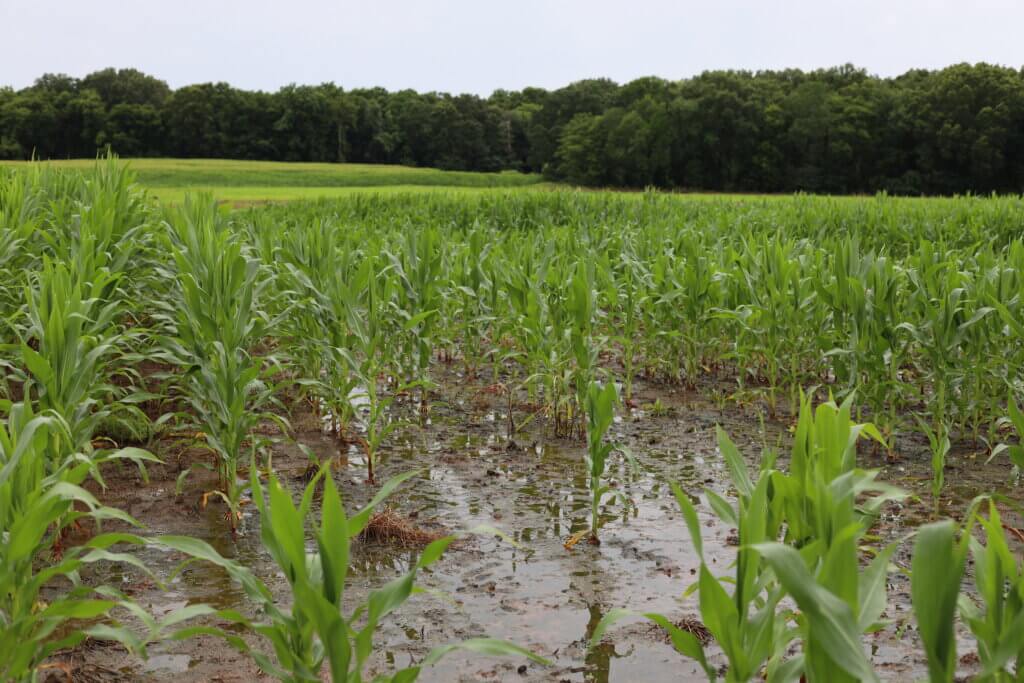
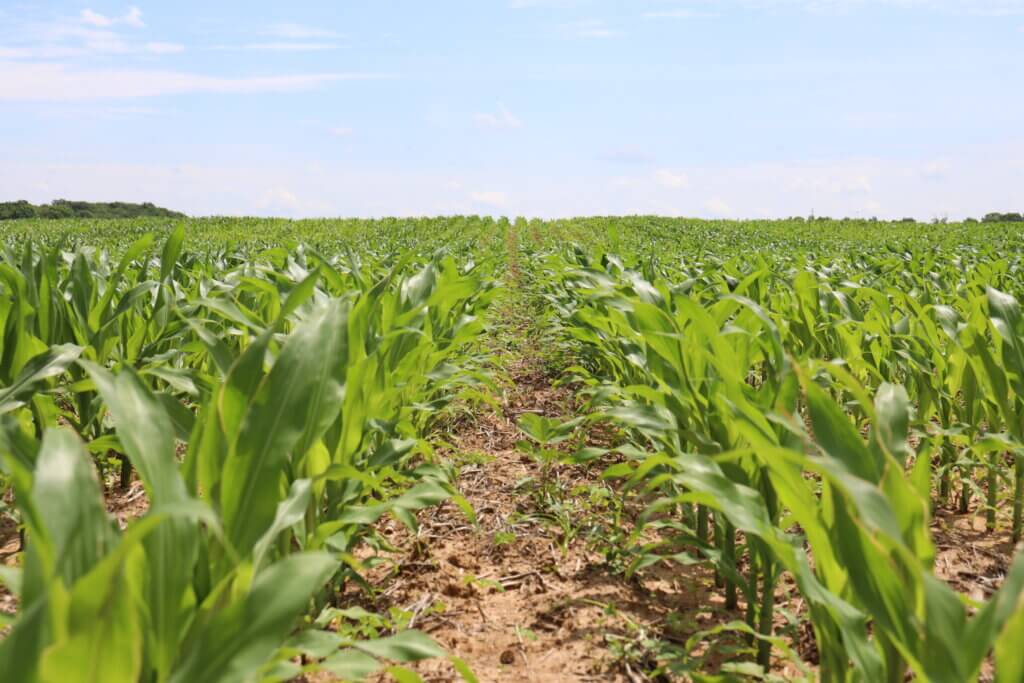
By late May, most of Anders’ single-crop seeds were in the ground. More decisions then come into play.
“We’re obviously wanting those rains,” he said. “But then, how much do we invest into that crop? Do we put out that extra fertilizer? Will we see a return on that? Because without the rain, you’re not going to be able to move nutrients throughout the plant. You’ve got to have the rain to push those nutrients and drive yield.”
Byrd said he hopes a return to normal weather is in the future, though he’d take current dry conditions over a constant deluge.
“In a dry year, you plant it, you do what you do, and you can kind of cut it off,” Byrd said. “You keep it clean and gather what you can. It seems in wet years, you’re chasing your tail. It’s hard to fix a crop that’s been getting drowned. If it’s drought and you start getting rain, you can deal with that.”