FSA Calls for Farmers to Serve on County Committees
By Marlee Jackson
When the federal Farm Service Agency (FSA) releases programs aimed at assisting farm country, county committee members spur into action helping farmers meet deadlines.
It’s especially important producers fill those committee seats, said Mark Platt. A row crop and cattle farmer from Fruitdale, Washington County’s Platt is a member of the FSA committee that serves Clarke and Washington counties.
“Agriculture is different from one county to the next, and no one understands the challenges of local farming better than the producers who work that land every day,” Platt said. “Having local producers serve on the FSA county committee ensures federal farm programs are administered with local knowledge, fairness and accountability.”
Monica Carroll is encouraging that philosophy as FSA county committee elections draw near.
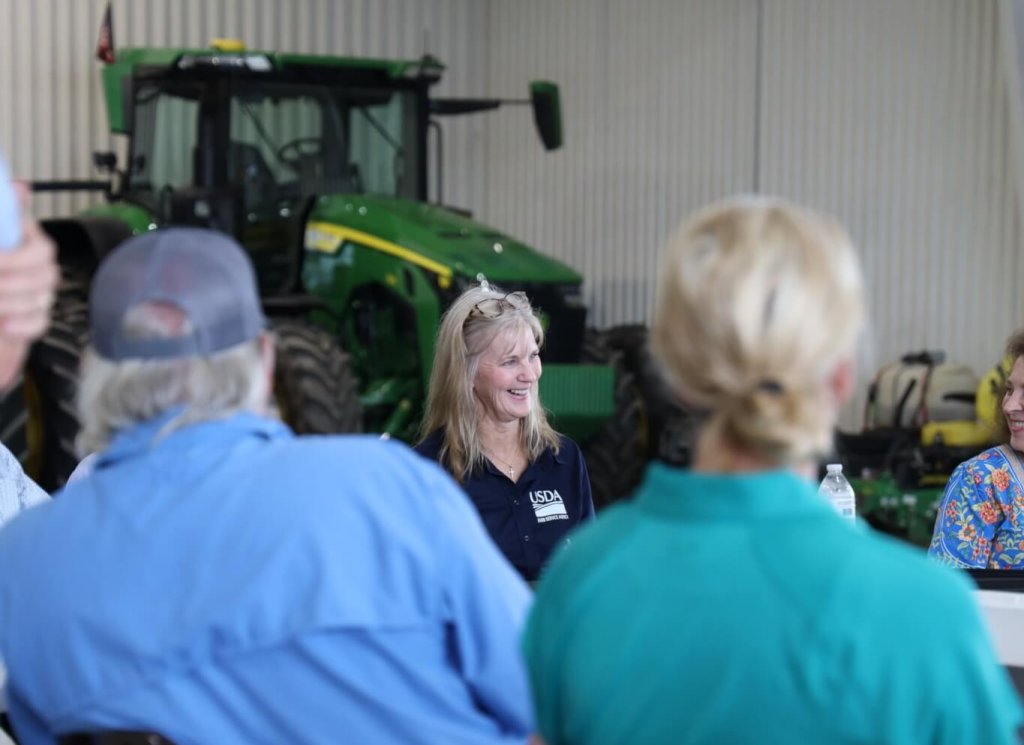
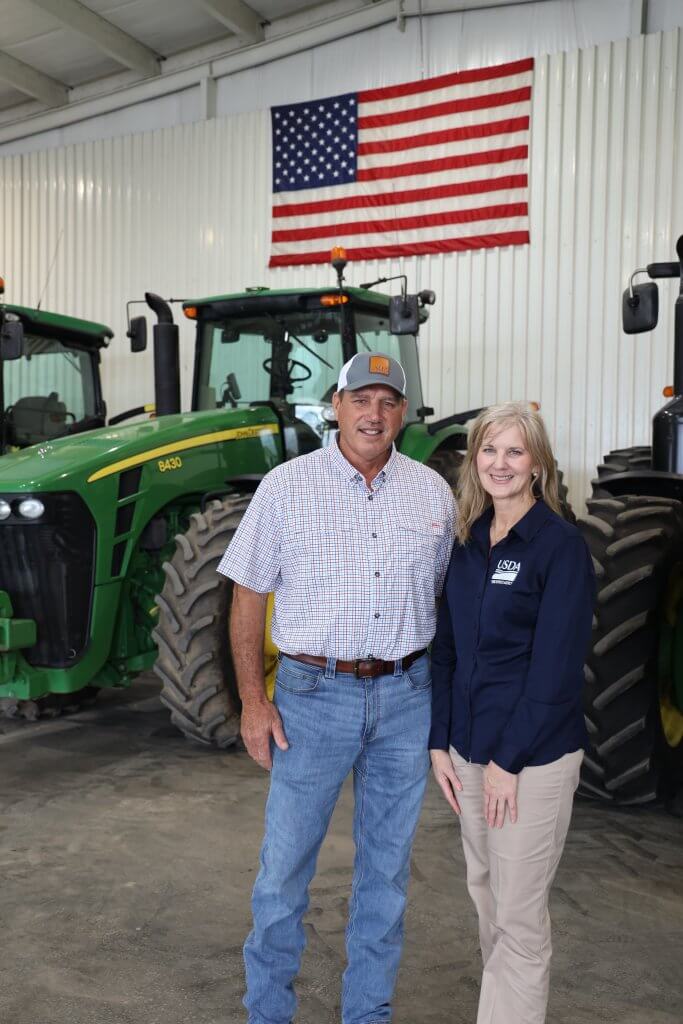
As Alabama’s FSA executive director, Carroll meets with farmers, highlights farm programs and takes Alabamians’ concerns to the U.S. Department of Agriculture (USDA).
She’s also a farmer from Dale County who sees the diversity of agriculture across Alabama — from production practices and weather to terminology and soil types.
“I want those who are in the trenches, those who are dealing with real life on their real farms, to serve on these committees,” Carroll said. “The decisions they make are so important to their counties and our state. This is an opportunity for their voices to be heard.”
Each county committee or multi-county jurisdiction has members who represent Local Administrative Areas. Members can serve a maximum of nine years — or three 3-year terms.
Nomination forms are due Aug. 3 at local USDA Service Centers, and eligible voters will receive ballots in November. Voting ends Dec. 7.
In addition to contacting local farmers about upcoming deadlines, committee members provide input on income safety net programs, conservation programs, disaster payments, emergency programs and payment eligibility.
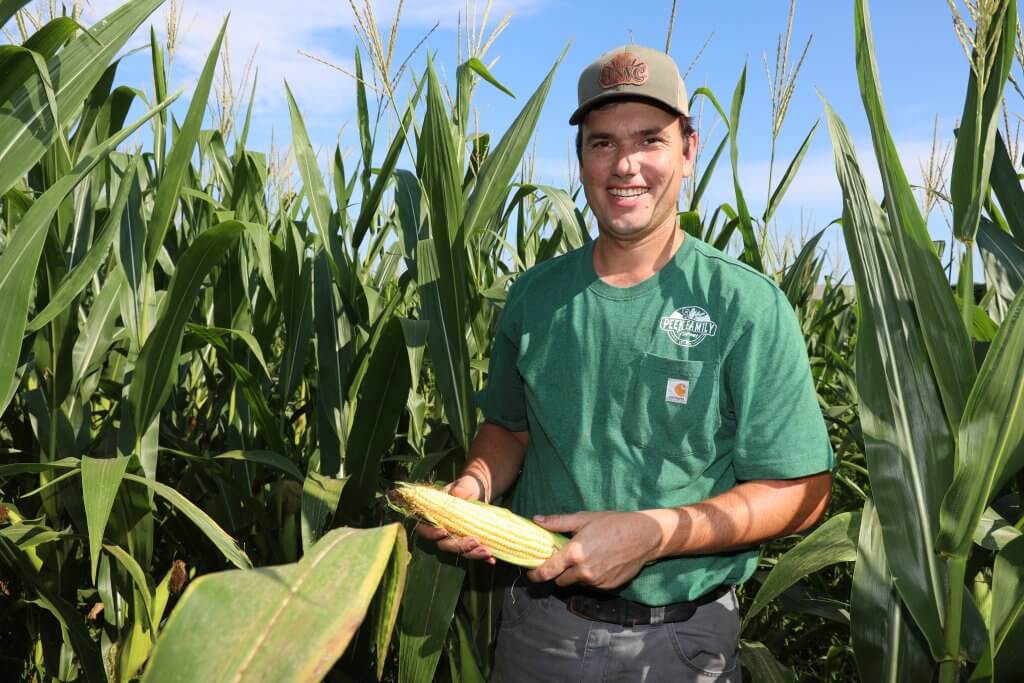
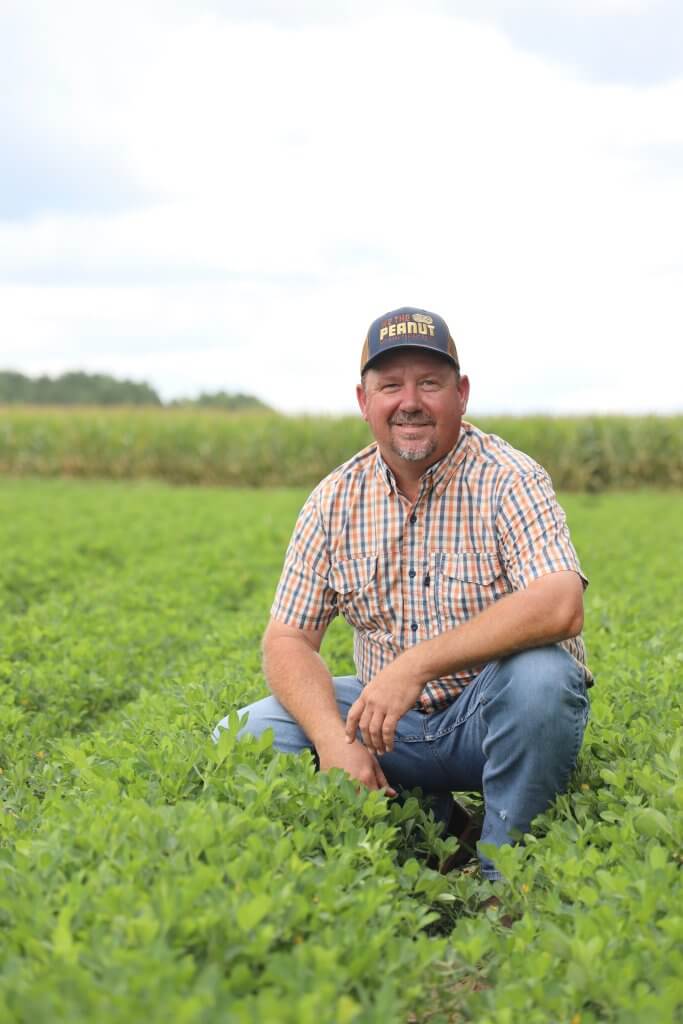
Those decisions should be taken seriously, said Brady Peek. A row crop farmer familiar with safety nets such as crop insurance, Peek is serving his first term on the Limestone County FSA committee.
“In these positions, it’s important to put our personal bias aside and make informed decisions based off of FSA guidelines. We need to uphold that and put our best foot forward, especially when dealing with government funds and peoples’ livelihoods,” Peek said. “We make decisions that could cost people hundreds of thousands of dollars. You’ve got to have good people working with FSA — whether they’re a county committee member or a USDA employee.”
A similar thought process fueled farmer Rickey Cornutt during three terms on FSA’s Marshall County committee. He’s since encouraged his daughter, Cara Cornutt Clough, to pick up the mantle of leadership and serve fellow producers.
“It shouldn’t be a popularity contest,” said Cornutt, whose diversified row crop, cattle and agritourism operation is near Boaz. “You need to ask: Are they doing this for themselves or the whole county? It’s about being a servant.”
Committee members work hand in hand with county executive directors, too, keeping records that span from average yields to land rent. Those figures become critical should disaster strike, Cornutt said.
“Committee members have a lot of power,” Cornutt said. “If a disaster comes, assistance gets funneled through FSA. It’s important that office is maintained well.”
Accountability is the bottom line, Platt said.
“The best decisions for Alabama agriculture are made when Alabama farmers have a seat at the table,” Platt said. “That’s exactly what an FSA county committee provides — a local voice helping ensure federal farm programs work for the people they’re intended to serve.”
FSA County Committee Elections
- Aug. 3 – Nominations due.
- November – Eligible voters receive ballots by mail.
- Dec. 7 – Ballots due to local USDA Service Center.