Common Ground: Respecting Private Property Rights
By Marlee Jackson
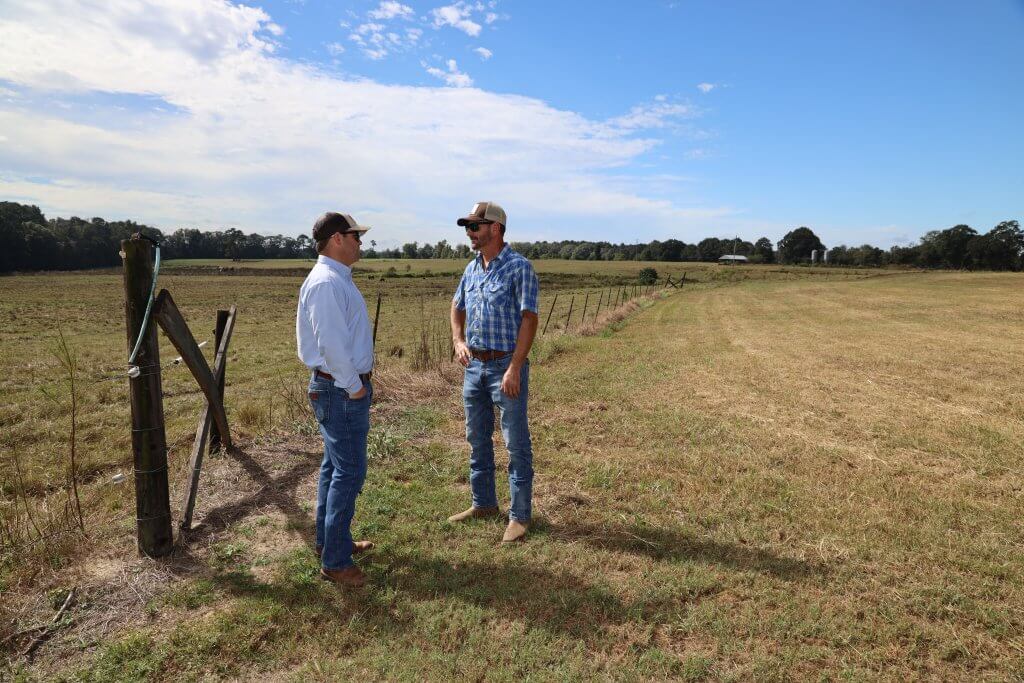
When Stallion Sasser became a Crenshaw County commissioner in 2020, he began drawing on a diverse background to make a difference for citizens in his rural county.
“I’ve always worked off complaints,” said Sasser, a farmer, Brantley native and businessman whose family works in long-term care. “I want everyone to be happy. Even if I can’t make that happen, I’m going to do my best.”
Crenshaw County is dotted with industry that’s boosted the area’s economy. It’s also rich with agricultural acreage. While the two land uses seem dissimilar, landowners find common ground in private property rights, Sasser said.
Private property rights mean individuals can choose how their property is used within the bounds of the law, free from unnecessary government interference. Discussions frequently come to the forefront when landowners change a property’s use or sell land for a purpose neighbors aren’t accustomed to.
Conversations can quickly become emotional, said Sasser, who toes the line between lending an understanding ear and underscoring landowners’ legal rights.
Shortly after Sasser took on responsibilities for budgets and infrastructure as a county commissioner, a local landowner approached with a complaint. The objecting party asked why the commission gave their neighbor permission to build poultry houses.
“I didn’t,” Sasser remembered saying. “It’s their property. They can do what they want (within the law).”
Phil Vandiver answers similar questions in rapidly developing Madison County.
A retired farmer, Vandiver has served his home county as a commissioner since 2012. Vandiver said most dialogue arises when development — such as gas stations or dollar stores — reaches residential areas.
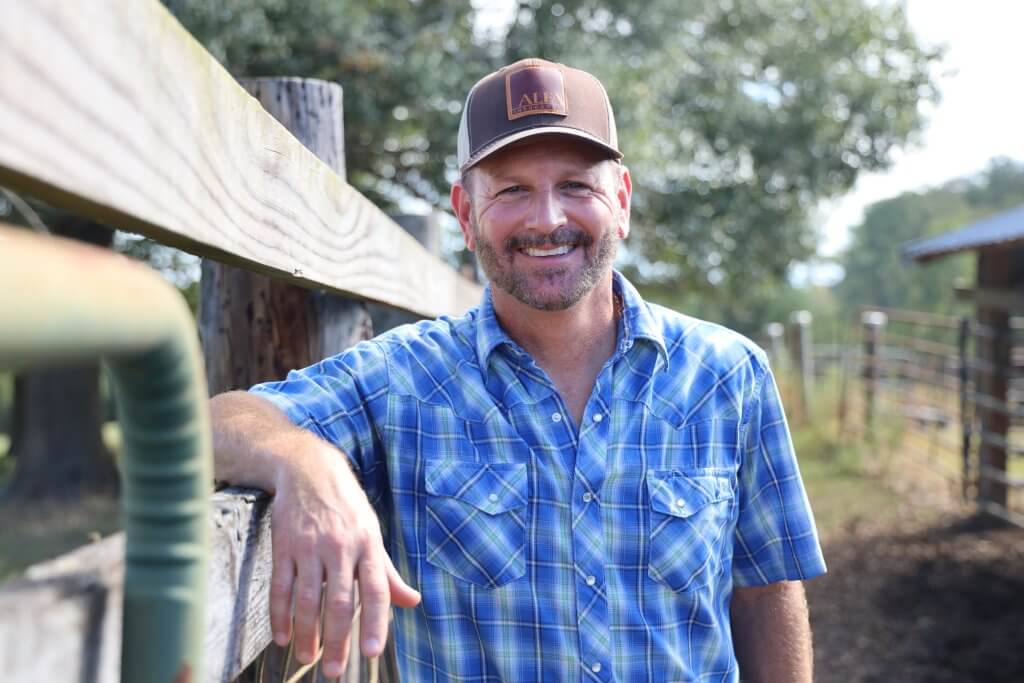
While citizens are concerned those services will devalue their property, Vandiver said he reminds them it’s the seller’s right to sell.
“People want control over other people but don’t want anyone to control them,” Vandiver said. “Do you want to lose your own rights so you can control others?”
Through in-person visits and via detailed posts online, Vandiver outlines the process constituents can pursue to elevate concerns or enact change.
Alabamians have the right to vote on zoning and tax regulations. They take concerns to legislators, who propose local amendments to Alabama’s Constitution. Impacted citizens cast their vote at the ballot box.
“Good commissioners have good relationships with our senators and representatives,” Sasser said. “What people tell me, I tell our legislators.”
The measured process can lower the heat on boiling emotional issues and slowly steer thoughtful change, said Alabama Farmers Federation’s Preston Roberts.
“State government can be more deliberate,” said Roberts, the External Affairs Department assistant director. “A little distance could be better to make wiser decisions for the state as a whole.”
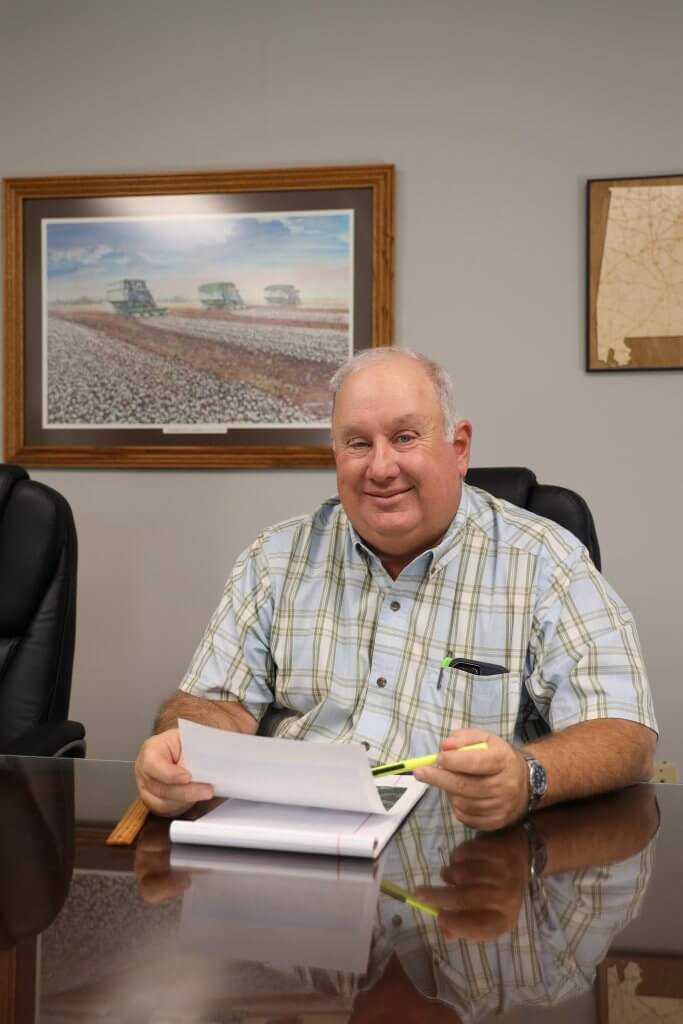
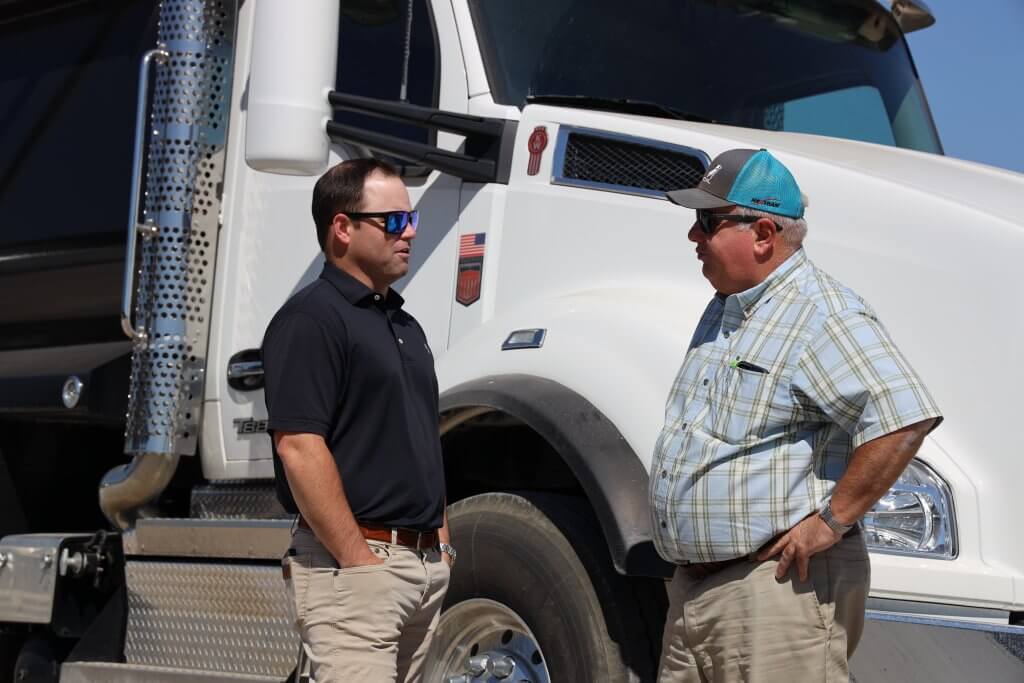
Federation policy opposes “home rule” — or any attempt for the state to give up its responsibilities and powers to counties, effectively resulting in 67 counties that operate as individual entities with various, potentially conflicting, laws.
Roberts cautioned that while home rule sounds like it gives local citizens more power, in practice, it reduces the checks on county government by granting commissions sweeping authority over land use and taxation.
Roberts said the discussion could escalate during the 2027 Legislative Session.
“As a state, we work best with cohesive laws around all 67 counties,” Roberts said. “Business doesn’t stop at county lines. We need a place where we can grow food, manufacture cars, treat wastewater and have other industries that supply the goods that society requires. Overly restrictive county laws hurt that.”
Sasser urged caution against setting bad precedent, too, in addition to restricting private property rights.
“I do not want to tell you what to do with your land,” Sasser said. “I don’t want to tell you what to do as far as if you can sell to a data center or put in a poultry house.”