Inaugural Forestry Tour Educates Landowners
By Tanner Hood
The rustle of pines and whistle of quail rang out through the tall timbers of south Georgia and north Florida, reaching the ears of foresters, loggers, landowners and wildlife professionals.
The group was part of the Alabama Farmers Federation’s inaugural forestry tour — an opportunity May 20-22 to spend time with like-minded industry professionals while touring timber operations. The Alabama TREASURE Forest Association (ATFA) sponsored the tour for its board, plus members of the State Forestry and Wildlife committees.
Montgomery County Farmers Federation board member and forest landowner Bill Cook said the tour was informative, especially pertaining to prescribed burns.
“A lot of things have been pointed out to be watchful of, including invasive plants,” said Cook, who serves on the Federation’s state board and State Forestry Committee. “Fortunately, they can keep a handle on cogongrass, which is one of our big enemies. You just have to stay on it with a good spray program followed by burning.”
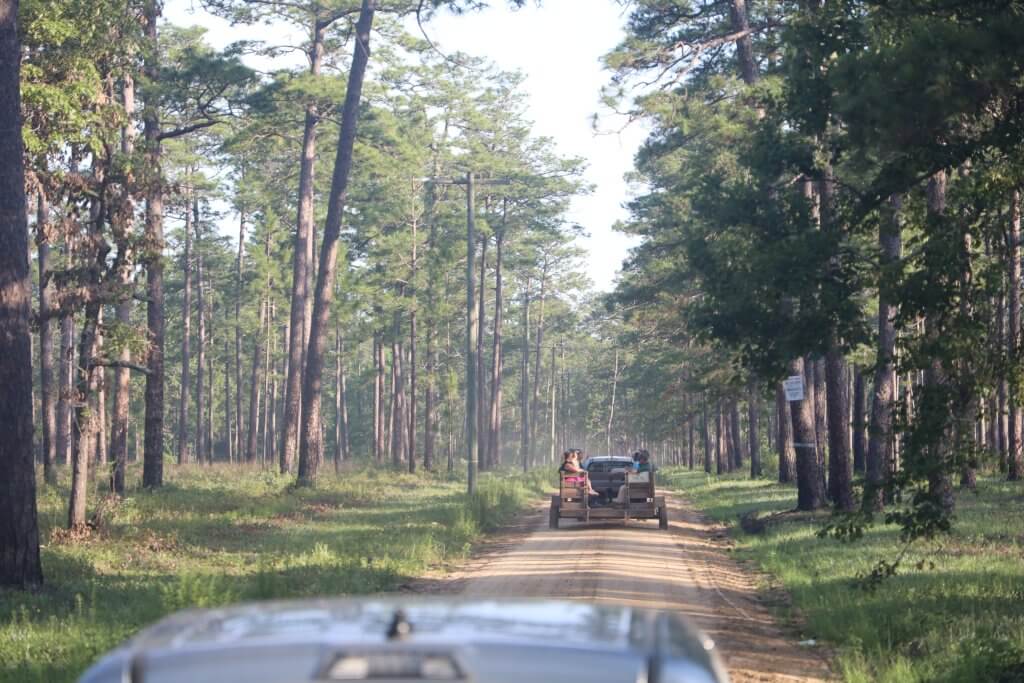
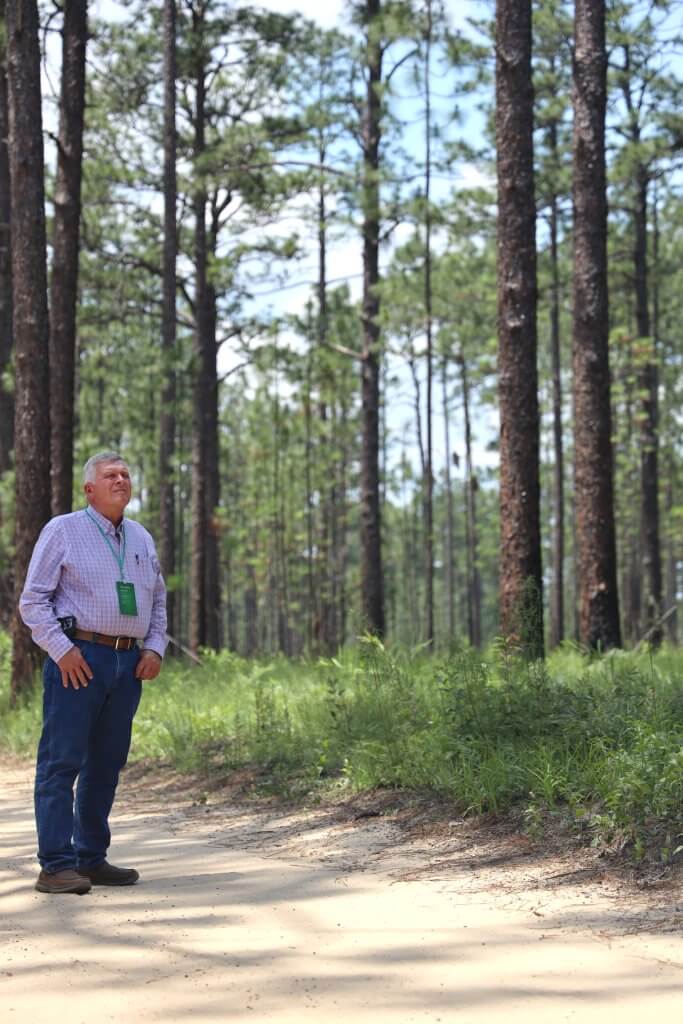
Attendees stepped among the residual char of recent burns while touring The Jones Center at Ichauway and Pebble Hill Plantation. Prescribed burn benefits were evident through still-glowing embers and rising smoke. Despite a healthy timber stand, finding viable markets for wood is becoming more difficult across the Southeast, Cook said.
“I asked the timber manager at Ichauway about the years they’ve kept records and the difference in prices,” Cook said. “Based on their records, big logs that were roughly $40 per ton a few decades ago should be the equivalent of over $100 today. However, we’re probably getting only $25 to $26, and that doesn’t make you feel good about prices.”
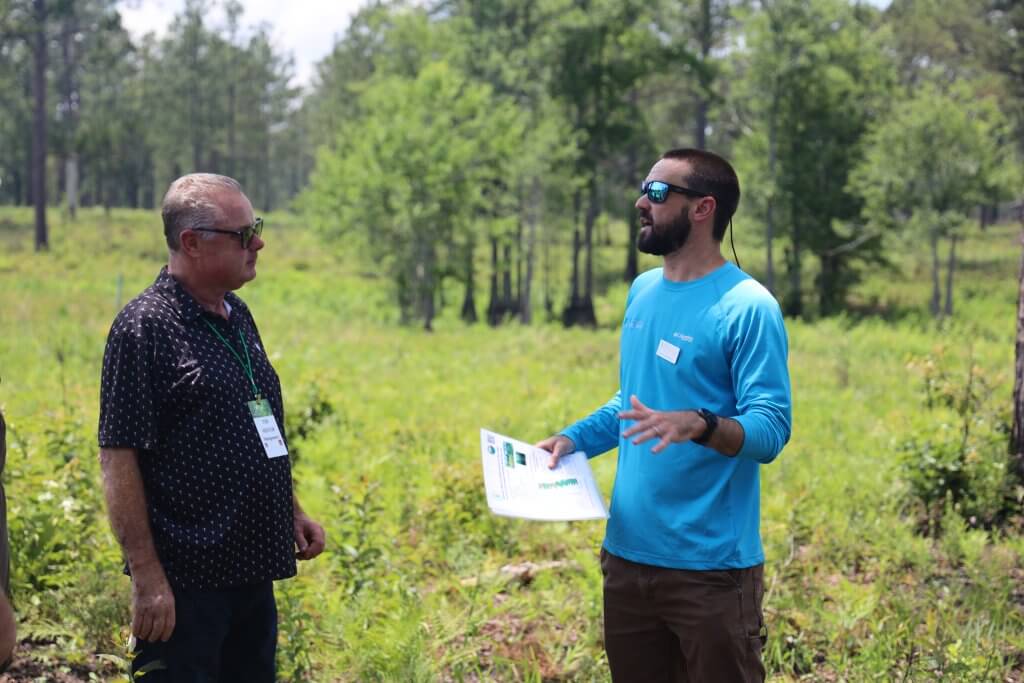
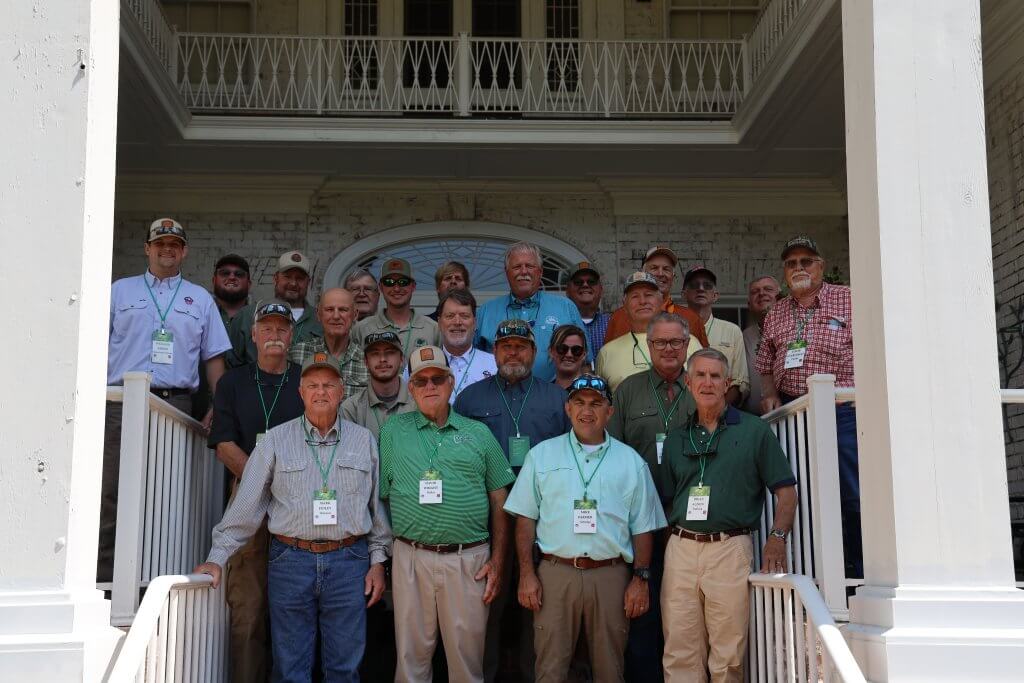
As attendees shared their experiences and empathized with counterparts, they walked away with a fuller toolkit of management practices. Ag teacher and FFA adviser Levi Noles from Randolph County said lessons learned will be useful for his operation and in the classroom.
“Being from rural Alabama means hunting is a big topic for a lot of our kids,” said Noles, who chairs the State Wildlife Committee. “That opens the door to talk about how good timber and wildlife management coincide. We visited Pebble Hill and saw they had a different practice than most people. Their timber wasn’t planted in nice and pretty straight rows, but they had awesome wildlife habitat.”
As one of the younger attendees on the trip, Noles said learning from veterans in the forestry industry was beneficial.
“There’s a wealth of knowledge to take in,” Noles said. “You’ve got a generation here with solid practices and things that are proven to work. It takes active, knowledgeable people to participate and put effort into…protecting God’s beautiful creation. I try to make sure my students know there’s someone who is doing that and trying to do the best they can.”
Other out-of-state tour stops included Tall Timbers Research Station in Tallahassee, Florida, and Paradise Park in Thomasville, Georgia. Attendees further examined the effects of prescribed burns on quail habitats and learned about shaping policy and environmental protection at Tall Timbers. Paradise Park provided a refreshing take on the role of natural grasses and pines in urban settings.
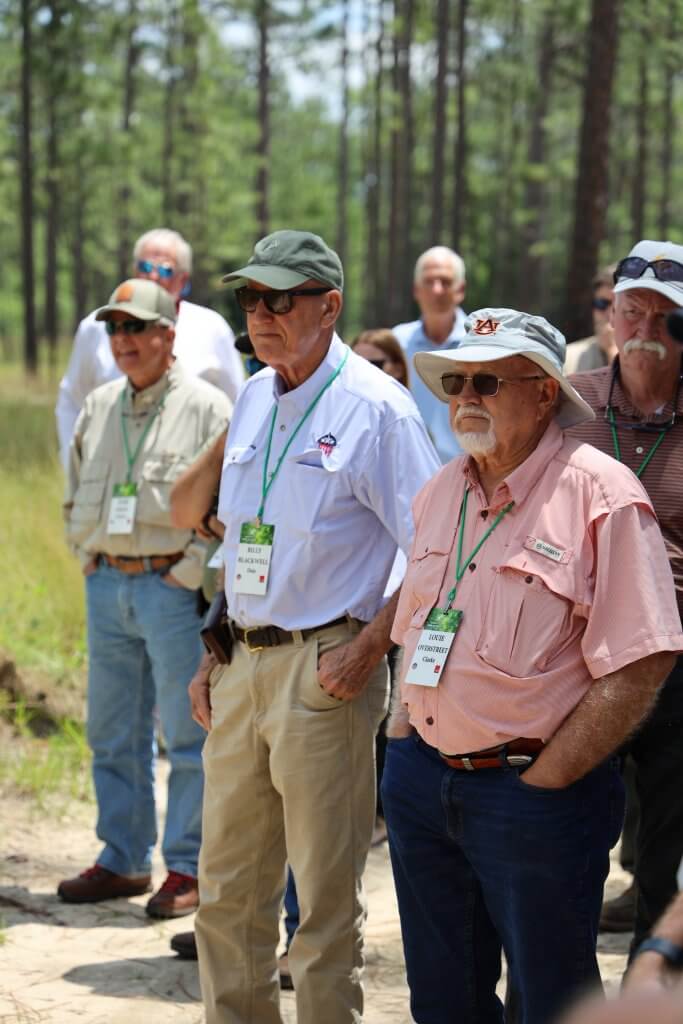
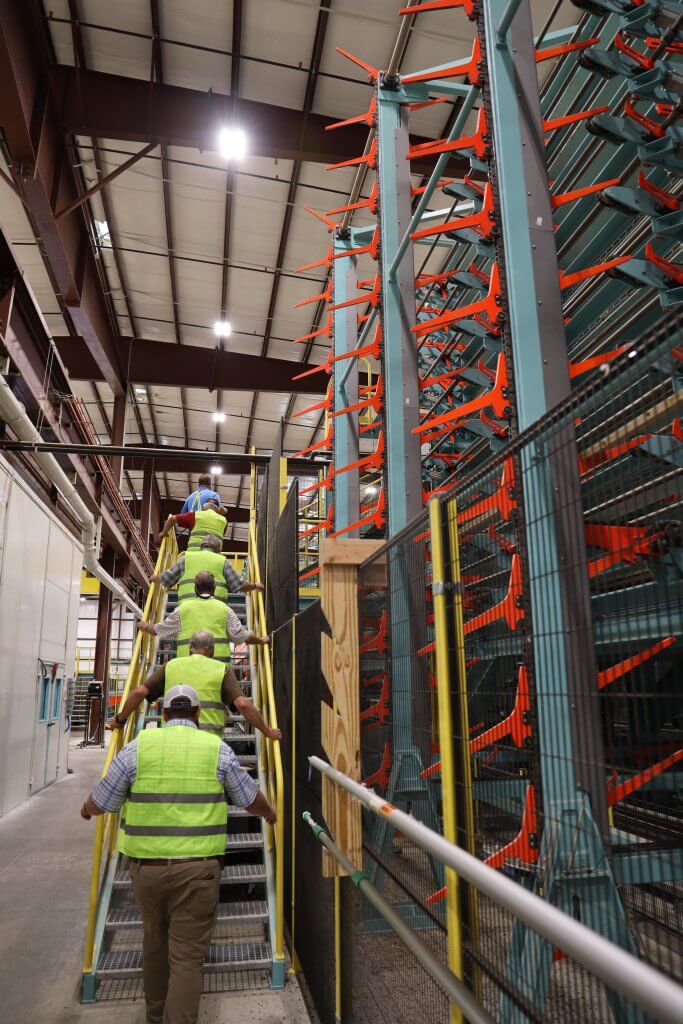
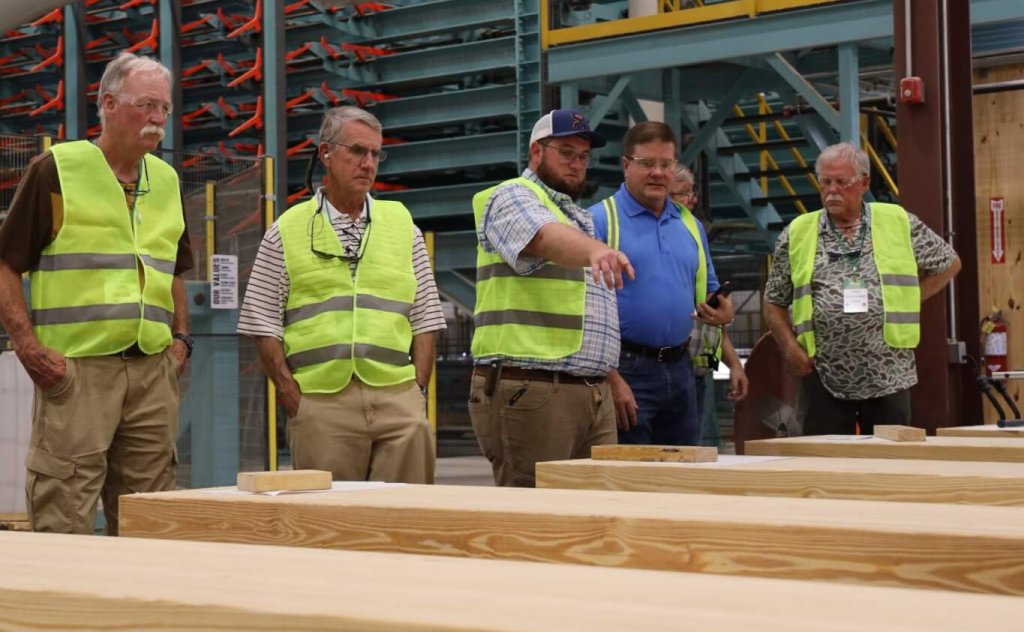
The tour concluded with a stop at SmartLam in Dothan — a mass timber producer focused on construction-ready materials. Dale County’s Billy Blackwell said the stop at SmartLam was a change in pace from the old-school ways of timber plantations.
“We went from the way things were years ago to the way things are today,” said Blackwell, who serves on the ATFA board. “Seeing the timber industry’s products and advancements — the whole gamut from where we were to where we are now — was a real educational experience.”
Attendees heard from SmartLam CEO Derek Ratchford about promoting the timber industry, new products and markets before a facility tour. Taking in a modern approach to timber products reminded Blackwell of the role ATFA and other industry organizations play.
“We need to treasure the past, but we need to look forward to the future, be advocates and let people know exactly what the importance (of the timber industry) is,” Blackwell said. “It’s a critical part of our total economic picture, and the more we educate people, hopefully, the future will be bright for us in the forestry industry.”