Savor Summer Produce: On-Farm Markets Connect Consumers to Agriculture
By Lydia East
On hot summer days across Alabama, farm stands fill with consumers looking for homegrown fruits and vegetables. Produce brings them to the stand, but bonds they build with farmers keep them coming back.
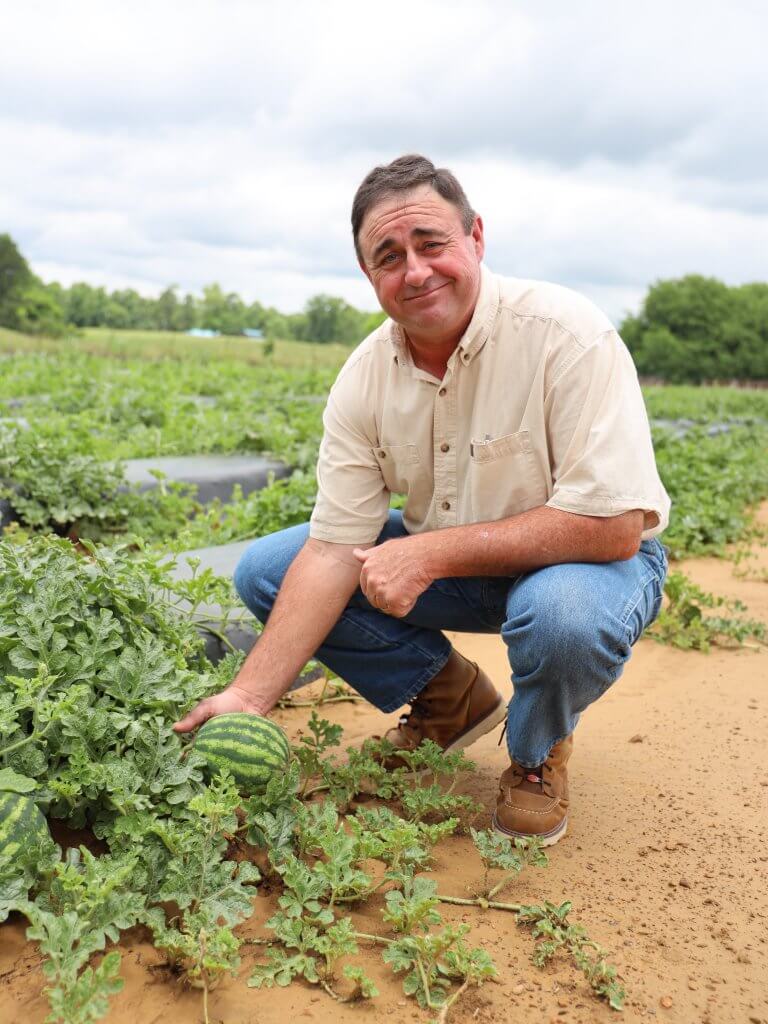
Cullman County farmer Jeremy Calvert said those relationships are just as valuable as his crop.
“It’s never our goal to have a one-time customer,” Calvert said. “We want to have repeat customers. I have made really great connections by doing business locally. That is something a chain store can’t offer.”
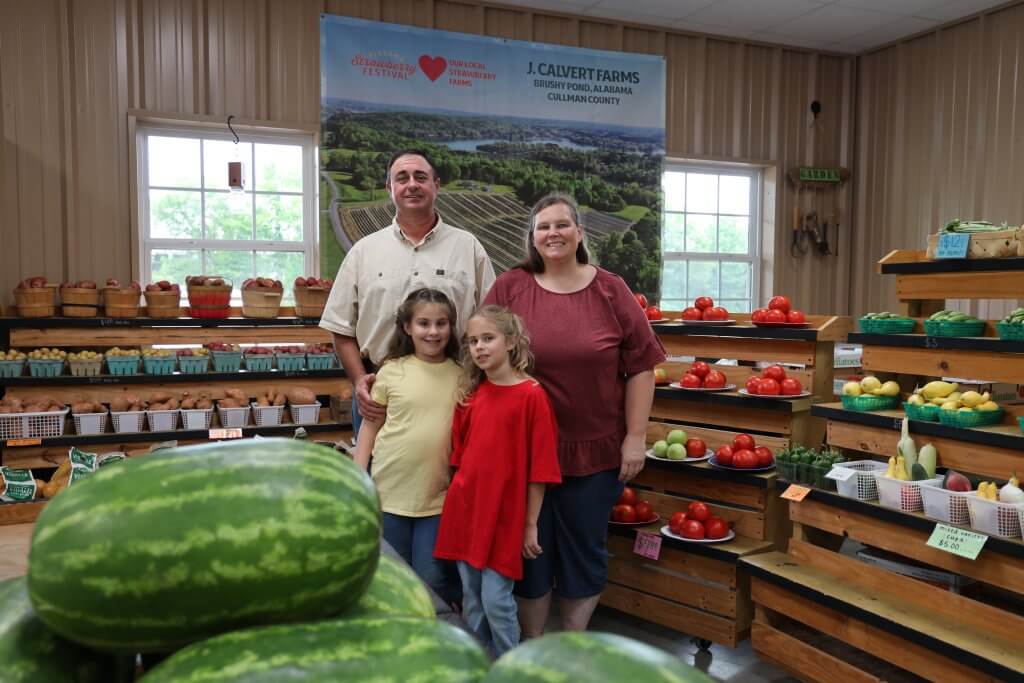
Less than 10 miles from Smith Lake and minutes from I-65, J. Calvert Farms welcomes thousands of visitors annually. Calvert’s wife, Julie, is a friendly face as customers enter the farmers market.
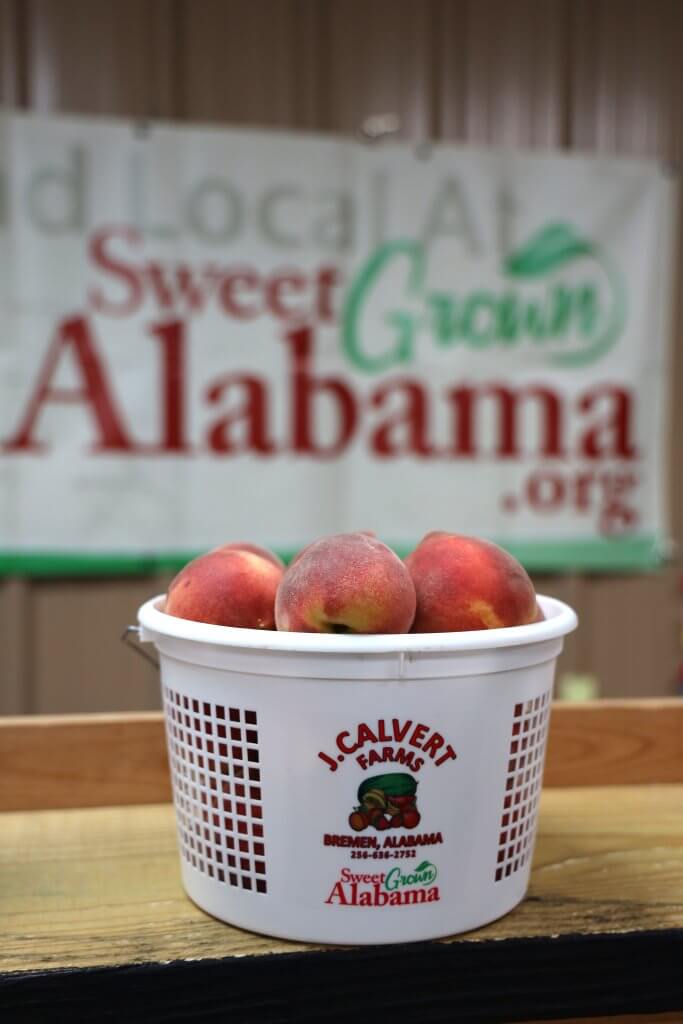
Travelers step into the store empty-handed and — thanks to Julie’s hospitality and knowledge — leave carrying baskets of juicy red tomatoes, fresh-picked squash, plump peaches and more seasonal goodies.
“Everybody is better off when you buy locally,” Julie said. “You get to know your farmer.”
Guests interact with the entire farm family, too, including the Calverts’ 8-year-old twin daughters, Jennie Clara and Julianna Kate. Their adult son, James, occasionally pops in the market as well.
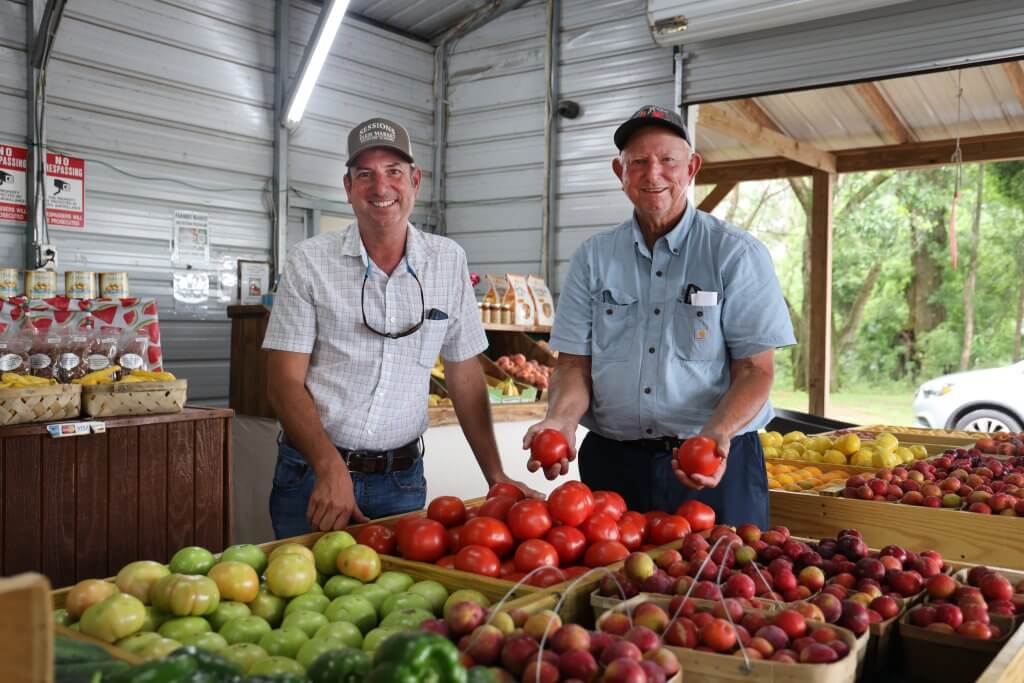
More than 300 miles south, Mobile County farmer Jeremy Sessions is also rooted in a family operation. Sessions, a third-generation farmer, works alongside his father, Art, and assorted relatives.
The Sessions family has planted row crops, along with specialty goods, since the 1940s. High input costs and low commodity prices, however, forced the difficult decision to stop row crop production this year.
“I didn’t think there would ever be a day I wouldn’t plant row crops,” said Art, the Mobile County Farmers Federation president. “But specialty crops have superseded row crops.”
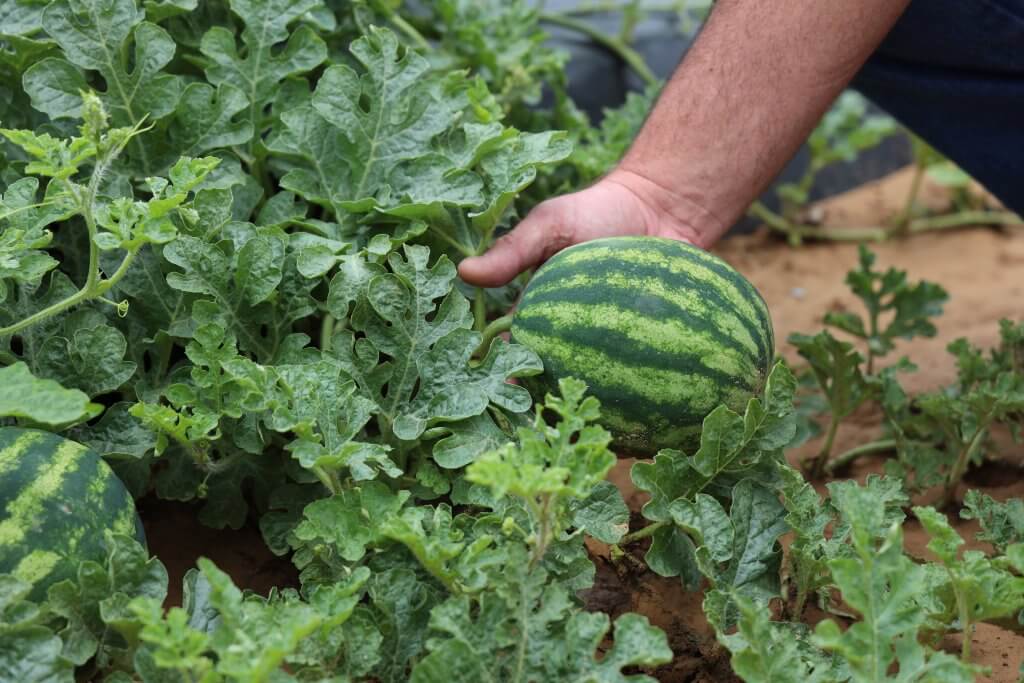
This change didn’t happen overnight. Years before, they began investing more time, resources and energy in produce such as satsumas, tomatoes, melons, squash and more.
In 2018, the family opened its second market location, Sessions Farm Market in Grand Bay. It offers buyers something unusual: produce harvested hours before it goes on the shelf.
“We pick our crops, and that day or the next, they are on the shelf for consumers to buy,” Sessions said. “We never sell anything past the third day. We focus on freshness.”
He said he believes the value of a farm stand goes beyond providing peak produce.
“What consumers need to see is the time, preparation and labor that goes into produce,” Sessions said. “Putting a seed in the ground, watching it grow, harvesting it and then transferring that crop in the store to sell is hard work.”
Shopping local connects consumers to farmers’ way of life.
“If consumers don’t buy local, it won’t be long before they don’t have anyone local to buy from,” Sessions said. “Folks in agriculture aren’t trying to get rich, but without a profit, they are going to quit.”
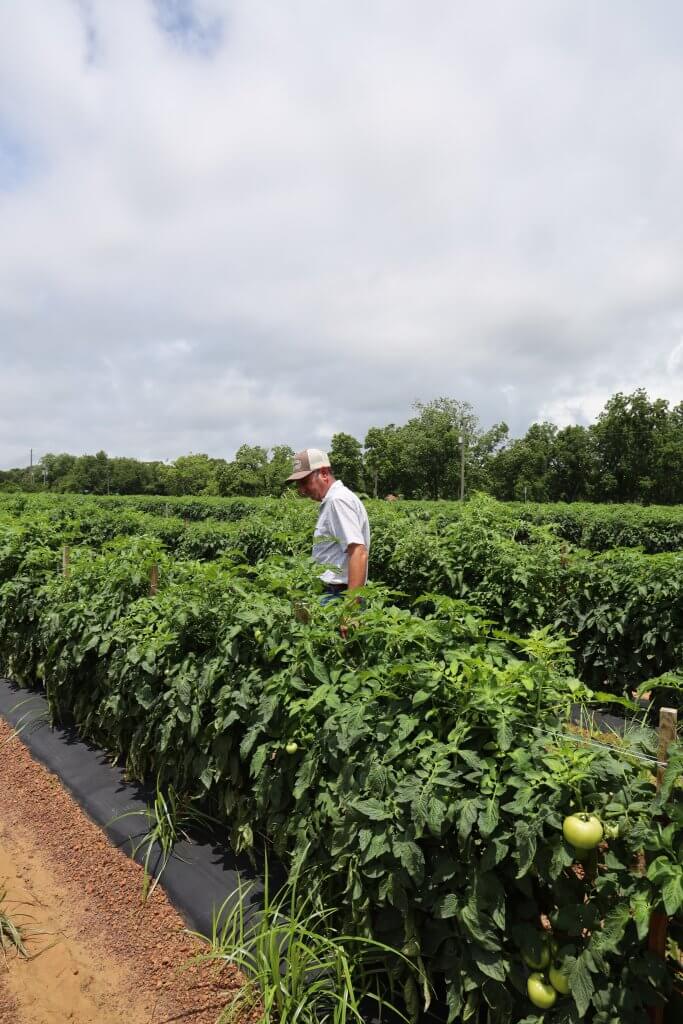
Calvert and Sessions are members of Sweet Grown Alabama, the state’s agriculture branding program, and are passionate about supporting local agriculture.
“For some time, Alabama vegetable growers needed branding for our products, and Sweet Grown Alabama was something most everyone could get behind,” said Calvert, who has long been involved in the Alabama Fruit & Vegetable Growers Association. “It is a logo that people look for.”
For the Calvert and Sessions families, every purchase at a farm stand is more than a sale. It helps shore up the local economy, sustain a family business and support a way of life.
“Everyone knows you get better service,” Calvert said. “One transaction means so much to our store.”
Find local products at SweetGrownAlabama.org.